
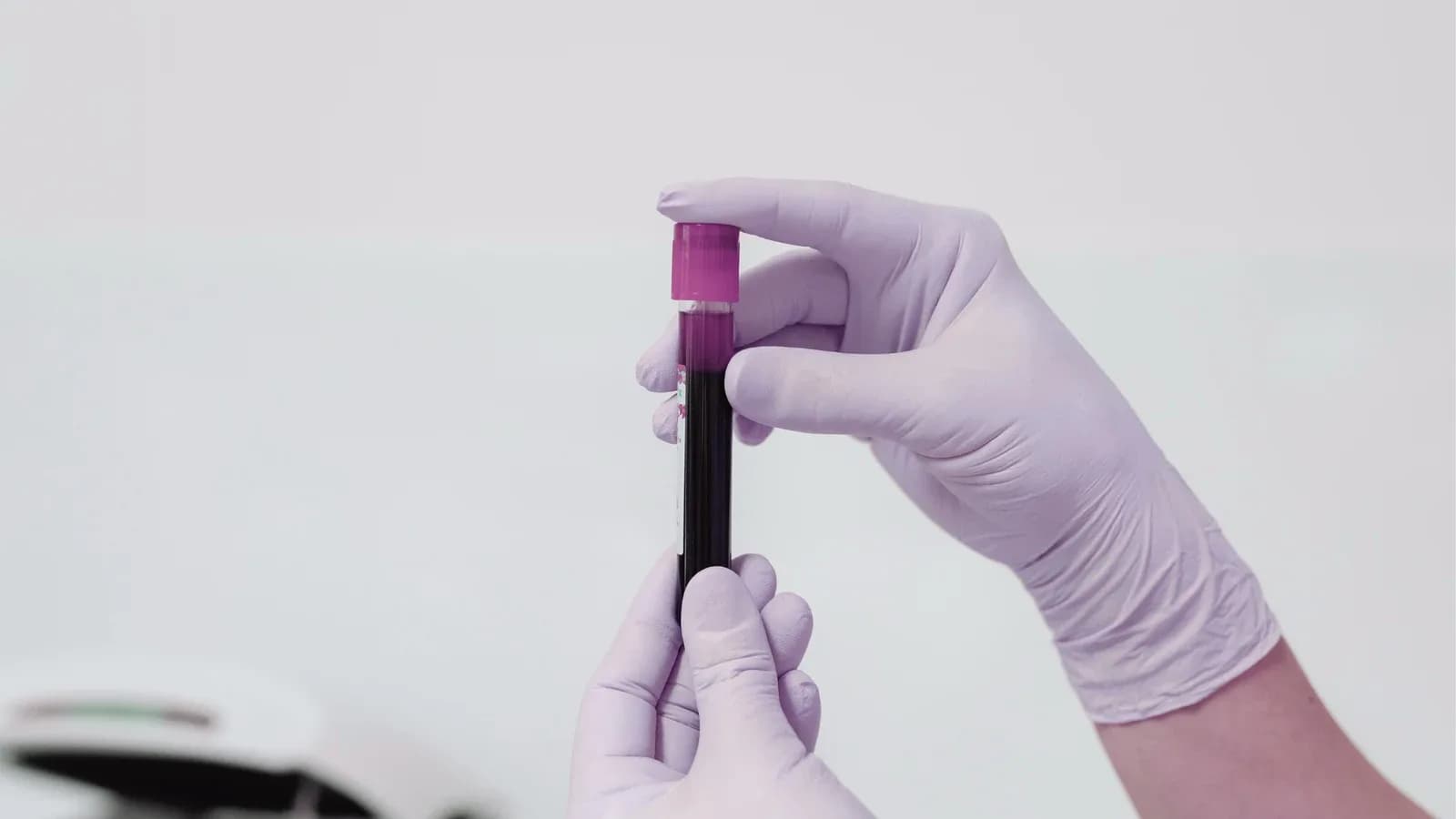
What it measures
- FSH
- LH
- Oestradiol
- Progesterone
- Prolactin
- Testosterone
- SHBG
- Free androgen index
- DHEA-S
- TSH
- Free T3
- Free T4
- TPO antibodies
- Thyroglobulin antibodies
Everything that affects fertility, in one test
Fertility depends on a chain of hormones working together. This package checks each link:
- Reproductive hormones: FSH, LH, oestradiol, progesterone and prolactin show how your ovaries and pituitary gland are communicating.
- Androgens: testosterone, SHBG, free androgen index and DHEA-S, which can be raised in PCOS.
- Thyroid: TSH, free T3, free T4 and thyroid antibodies. Even mild thyroid problems can affect ovulation and early pregnancy.
Results arrive in a clear report in 1–3 days that you can take to your GP or fertility clinic. Add an AMH test for ovarian reserve, or a Motherhood Focus Scan to look at your womb and ovaries.
Who it’s for
- Trying to conceive for a while without success
- Irregular periods
- Planning a pregnancy and wanting a baseline
- Before seeing a fertility specialist
How to prepare
- Drink plenty of water beforehand; it makes the sample quicker and easier to take.
- You don’t need to fast.
- If you have periods, book for day 2–5 of your cycle (day 1 is the first day of bleeding).
- Stop biotin (vitamin B7) supplements 48 hours before, as biotin can affect hormone and thyroid results.
Fertility Package Blood Test: your questions
When should I take a fertility blood test?
On day 2–5 of your cycle. Because progesterone is best measured later in the cycle, your report will note the day of your sample.
Should my partner be tested too?
Male factors often play a part when couples have difficulty conceiving. A semen analysis is the main test for men; we can advise where to arrange one.
Information on this page is general and doesn’t replace advice from your GP, midwife or consultant. If you feel unwell or are worried about symptoms, contact your GP, call NHS 111 or, in an emergency, 999.