
What it measures
- Trisomy 21 (Down’s syndrome)
- Trisomy 18 (Edwards’ syndrome)
- Trisomy 13 (Patau’s syndrome)
- Sex chromosome conditions
- Microdeletions (Advance and Absolute)
- Baby’s sex (optional)
What is NIPT?
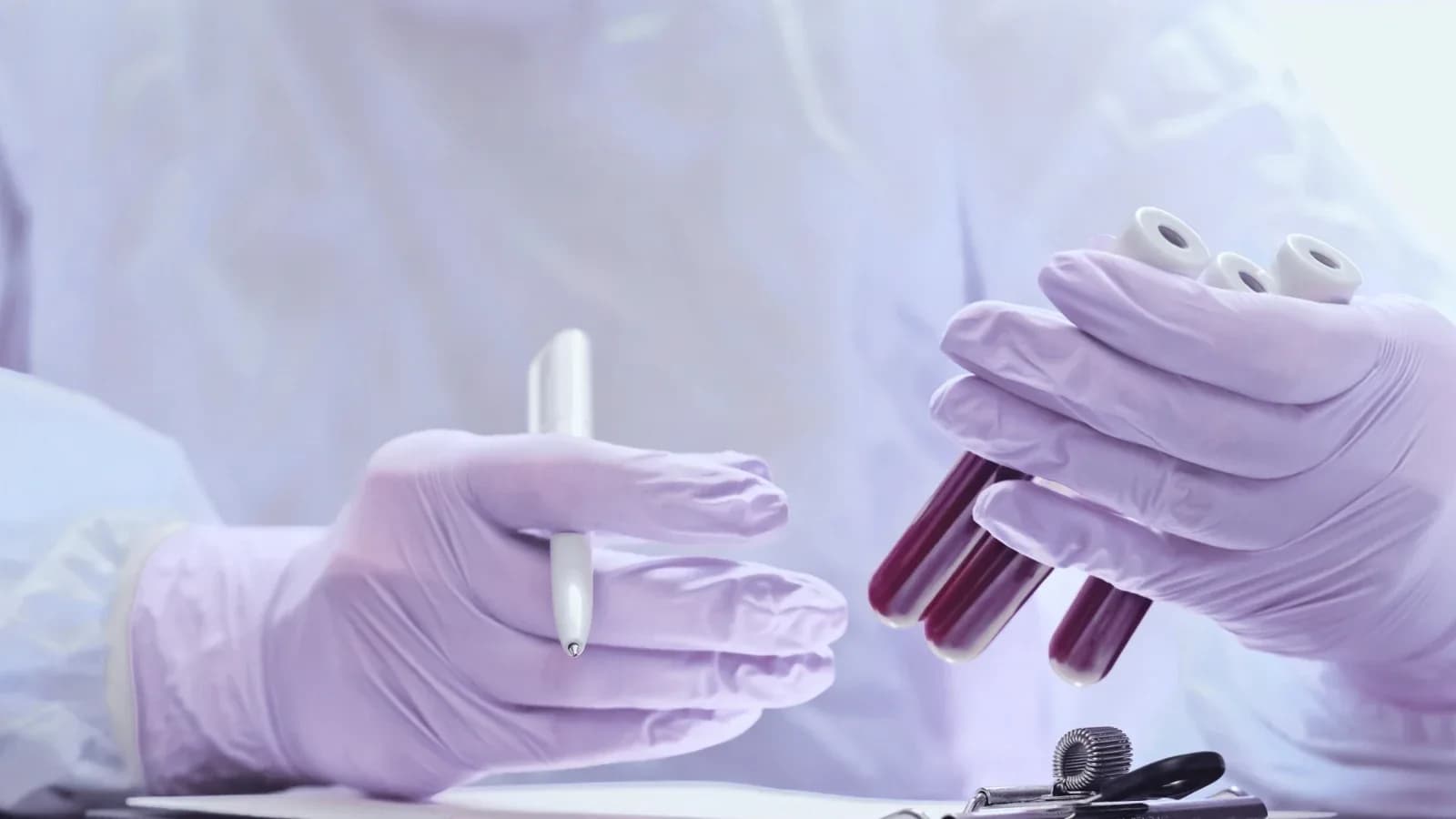
Non-invasive prenatal testing (NIPT) analyses fragments of your baby’s DNA in your blood. It’s a screening test: it tells you whether there is a high or low chance of certain chromosomal conditions, without the small miscarriage risk of invasive tests such as amniocentesis.
NIPT detects over 99% of pregnancies affected by Down’s syndrome, with a very low false-positive rate, which makes it far more accurate than the standard NHS combined test.
Which NIPT option should I choose?
| Standard | Advance | Absolute |
|---|---|---|---|
Down’s, Edwards’ and Patau’s syndromes | ✓ | ✓ | ✓ |
Sex chromosome conditions (Turner, Klinefelter, Jacobs, Triple X) | ✓ | ✓ | ✓ |
Baby’s sex (optional) | ✓ | ✓ | ✓ |
6 common microdeletions |
| ✓ | ✓ |
92 microdeletions |
|
| ✓ |
Price | £295 | £345 | £425 |
Understanding your result
A low-chance result is very reassuring. A high-chance result is not a diagnosis: it needs to be confirmed with a diagnostic test such as CVS or amniocentesis, which your NHS maternity team can arrange. We’ll explain your result clearly and what to do next.
Many parents book NIPT alongside our 10 week scan, which gives an early look at your baby’s development.
What’s included
- Blood sample from mum
- Screening report
- Optional baby’s sex result
- Results in about 5 working days once the sample reaches the laboratory
Who it’s for
- Wanting more certainty than the NHS combined test
- A higher-chance result from NHS screening
- Being 35 or over, or a previous pregnancy with a chromosomal condition
- IVF pregnancies
How to prepare
- Drink plenty of water beforehand; it makes the sample quicker and easier to take.
- You don’t need to fast.
- You must be at least 10 weeks pregnant. Bring a scan report confirming your dates if you have one.
NIPT Blood Test: your questions
How early can I have NIPT?
From 10 weeks of pregnancy. There’s no upper limit, but earlier results give you more time to consider your options.
How accurate is NIPT?
NIPT detects over 99% of pregnancies with Down’s syndrome and has a very low false-positive rate. It’s a screening test, so a high-chance result should be confirmed with a diagnostic test.
How long do NIPT results take?
About 5 working days once your sample reaches the laboratory.
Can NIPT tell me the sex of my baby?
Yes, if you’d like to know. You choose whether to have your baby’s sex included in your report.
Is NIPT available on the NHS?
The NHS offers NIPT as a second-stage test if your combined screening shows a higher chance. Privately, you can have it from 10 weeks as your first screening test.
Information on this page is general and doesn’t replace advice from your GP, midwife or consultant. If you feel unwell or are worried about symptoms, contact your GP, call NHS 111 or, in an emergency, 999.