
Pelvic health after the menopause
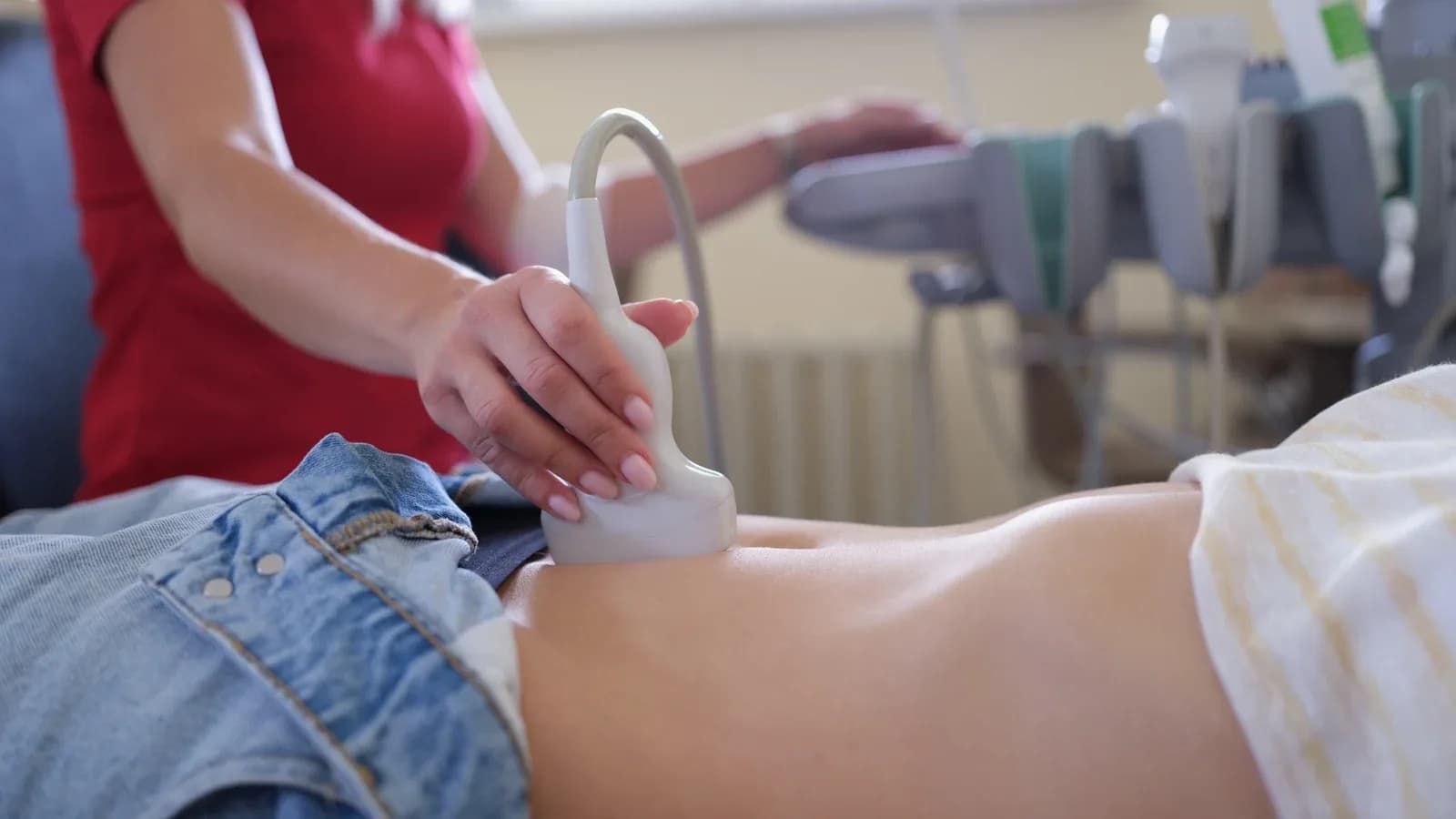
After the menopause, the womb lining should be thin and the ovaries small. The Golden Years Scan checks both, looking for ovarian cysts, thickening of the womb lining and other changes, and can help monitor the effects of HRT.
Any bleeding after the menopause should be checked by your GP, even if it’s light or a one-off.
For bloating or a family history of ovarian cancer, you can add a CA-125 blood test.
What’s included
- Comprehensive post-menopause pelvic examination
- Ovarian cyst check
- Womb lining assessment
- Monitoring guidance
- Up to 5 guests
Who it’s for
- A family history of ovarian cancer
- Monitoring the effects of HRT
- Irregular bleeding
- Abdominal bloating
How to prepare
- Arrive with a comfortably full bladder: drink about 1 litre of water an hour before your scan.
- Up to 5 guests are welcome, including children of any age.
Golden Years Scan (Post-Menopause): your questions
Is bleeding after the menopause normal?
No. Any vaginal bleeding after your periods have stopped should be checked promptly by your GP.
Information on this page is general and doesn’t replace advice from your GP, midwife or consultant. If you feel unwell or are worried about symptoms, contact your GP, call NHS 111 or, in an emergency, 999.