Checking your arteries
Peripheral arterial disease (PAD) happens when fatty deposits narrow the arteries, most often in the legs. The classic symptom is pain or cramp in the calf, thigh or buttock when walking that eases with rest. It’s more common in smokers and people with diabetes, high blood pressure or high cholesterol.
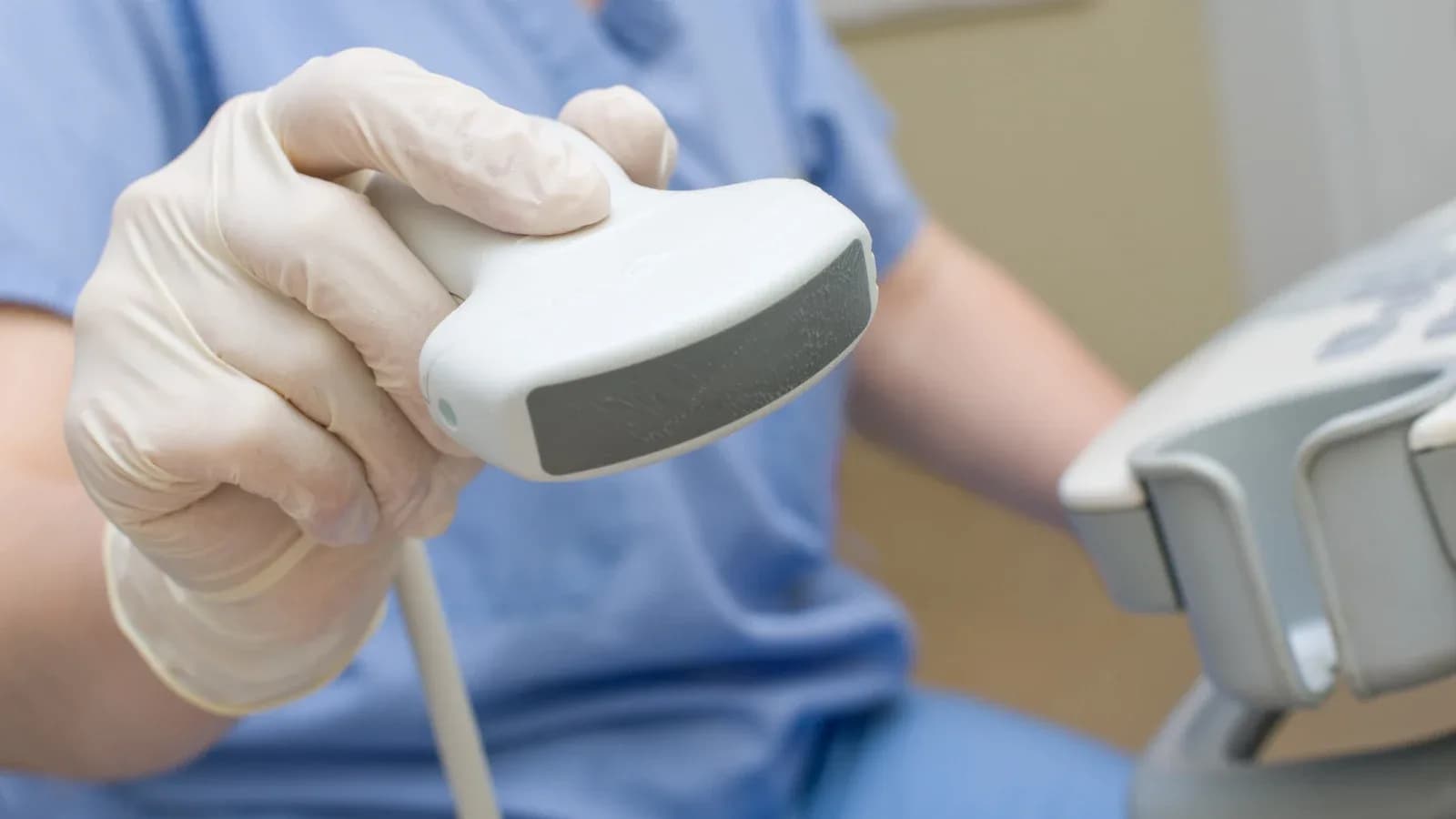
An arterial Doppler shows where blood flow is reduced, helping your GP or vascular specialist plan treatment.
What’s included
- Doppler ultrasound of the arteries
- Explanation of findings
- Written report
Who it’s for
- Leg pain or cramp when walking that eases with rest
- Cold hands or feet
- Poor circulation or slow-healing wounds
- Diabetes or smoking
How to prepare
- Wear loose clothing so we can reach the arms or legs being scanned.
Arterial Doppler (Arms or Legs): your questions
What is the main symptom of peripheral arterial disease?
Pain or cramping in the legs when walking that goes away with rest, called intermittent claudication.
Information on this page is general and doesn’t replace advice from your GP, midwife or consultant. If you feel unwell or are worried about symptoms, contact your GP, call NHS 111 or, in an emergency, 999.