
What is a DVT scan?
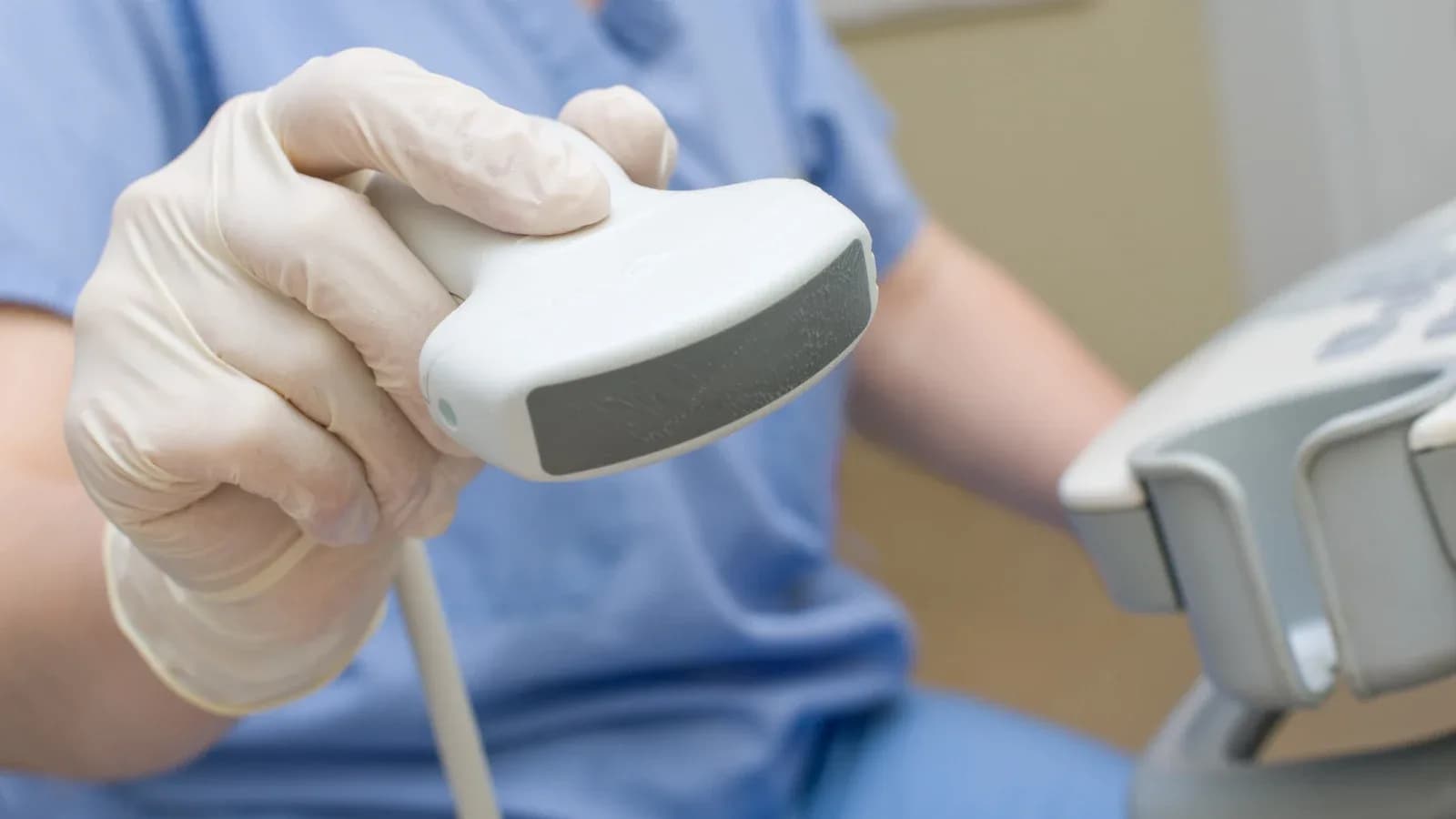
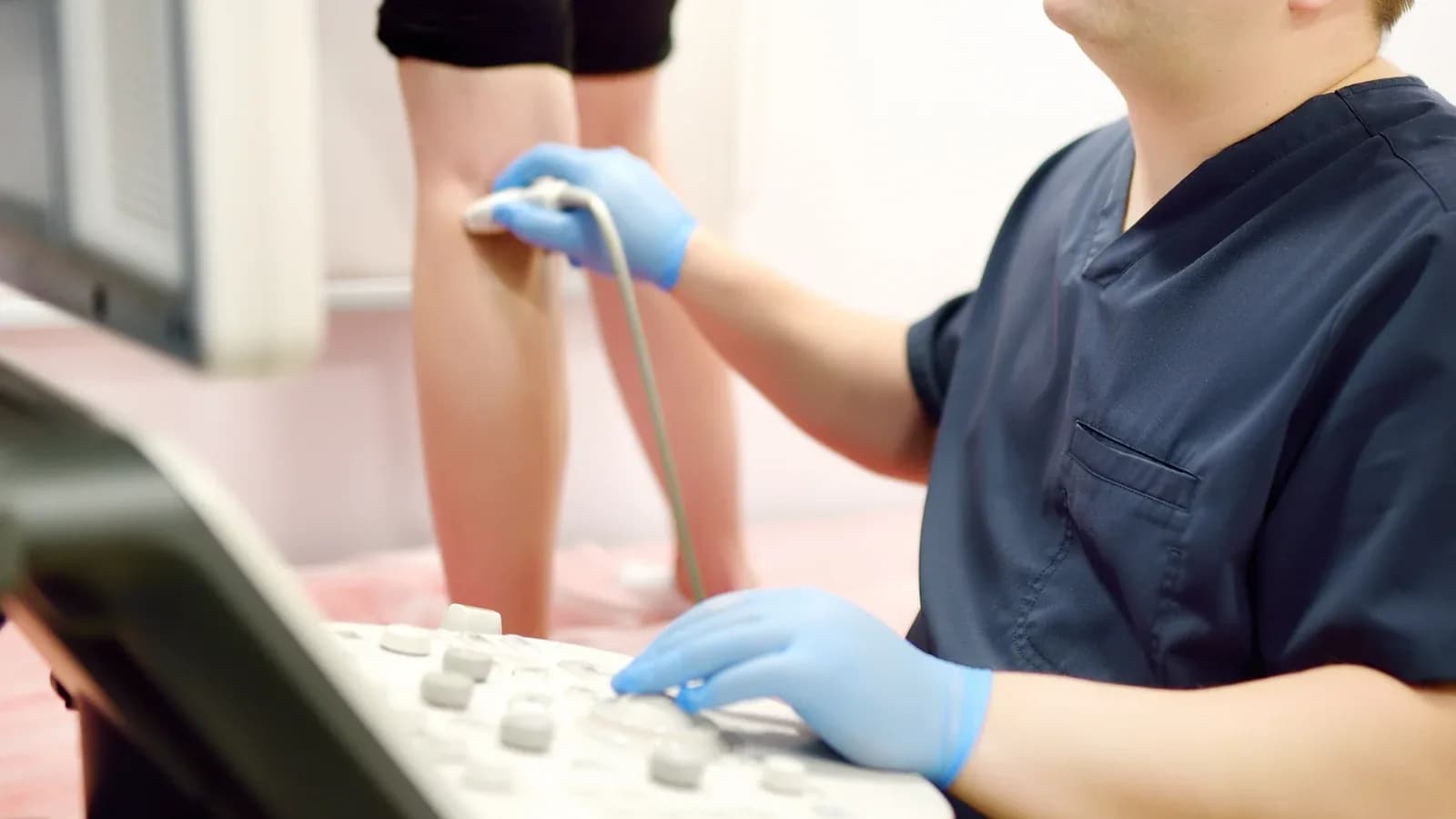
A deep vein thrombosis (DVT) is a blood clot in one of the deep veins, usually in the leg. A DVT scan uses Doppler ultrasound to look inside the veins and check whether blood is flowing freely or blocked by a clot. It’s painless and takes around 15–30 minutes per limb.
Why early detection matters
A clot can break off and travel to the lungs (a pulmonary embolism), which is serious. Finding a DVT early means treatment can start quickly.
Go to A&E or call 999 if you have leg swelling with sudden breathlessness, chest pain or coughing up blood. Don’t wait for a scan.
If you have leg symptoms without those warning signs, your GP may also arrange urgent NHS assessment. A private scan can give you a fast answer and a report to share with them.
What’s included
- Doppler ultrasound of the deep veins
- Findings explained on the day
- Written report for your GP
Who it’s for
- Swelling, pain, warmth or redness in one leg or arm
- After surgery or a period of immobility
- After a long-haul flight or journey
- During or after pregnancy
How to prepare
- Wear loose clothing so we can reach the leg or arm being scanned.
- No other preparation is needed.
DVT (Deep Vein Thrombosis) Scan: your questions
How quickly can I get a DVT scan?
Book online and choose the next available appointment. If you have chest pain or breathlessness, go to A&E instead.
Does a DVT scan hurt?
No. You may feel light pressure from the probe as we check whether the veins compress normally.
Information on this page is general and doesn’t replace advice from your GP, midwife or consultant. If you feel unwell or are worried about symptoms, contact your GP, call NHS 111 or, in an emergency, 999.