
A complete clot-risk assessment
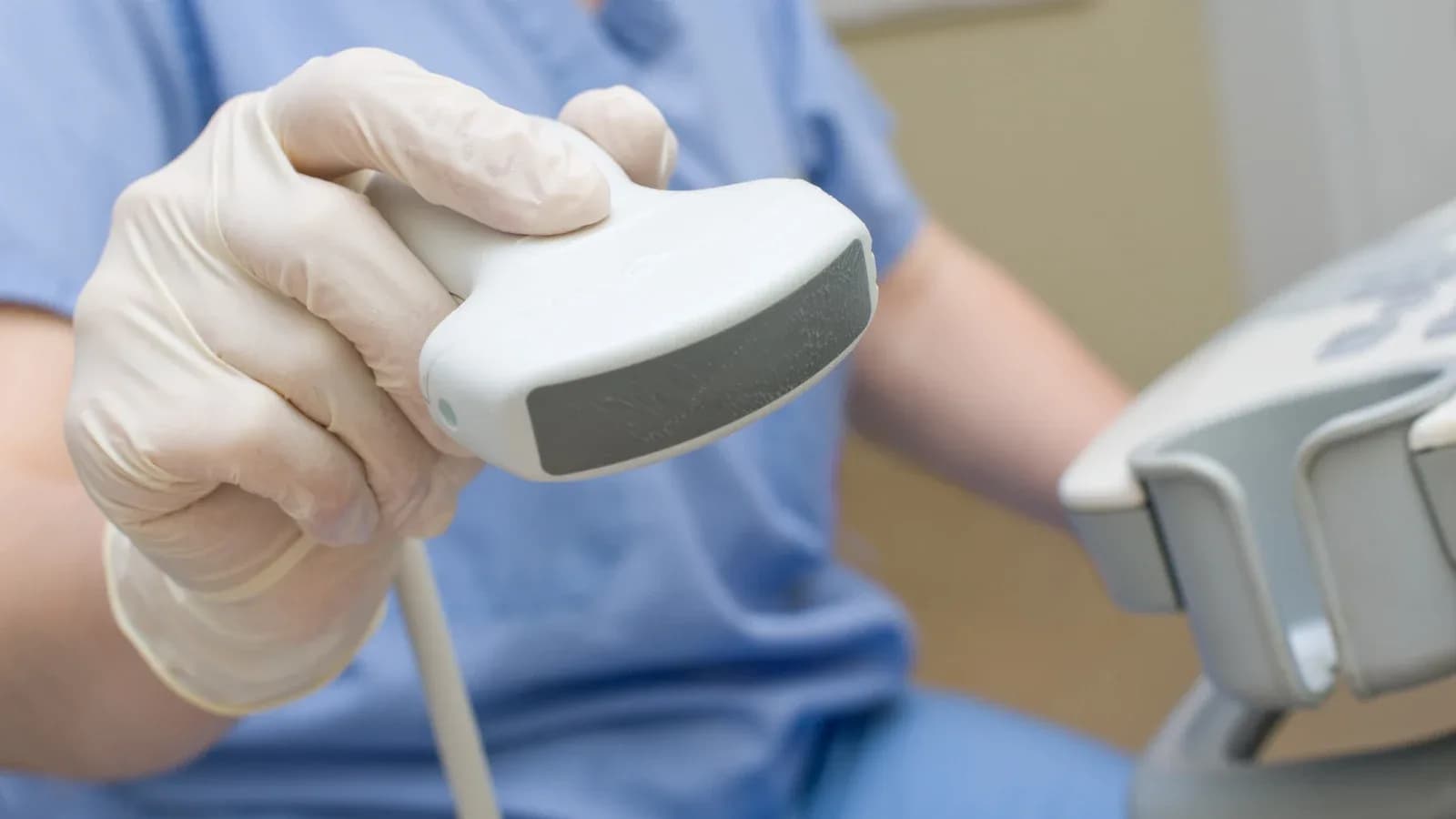
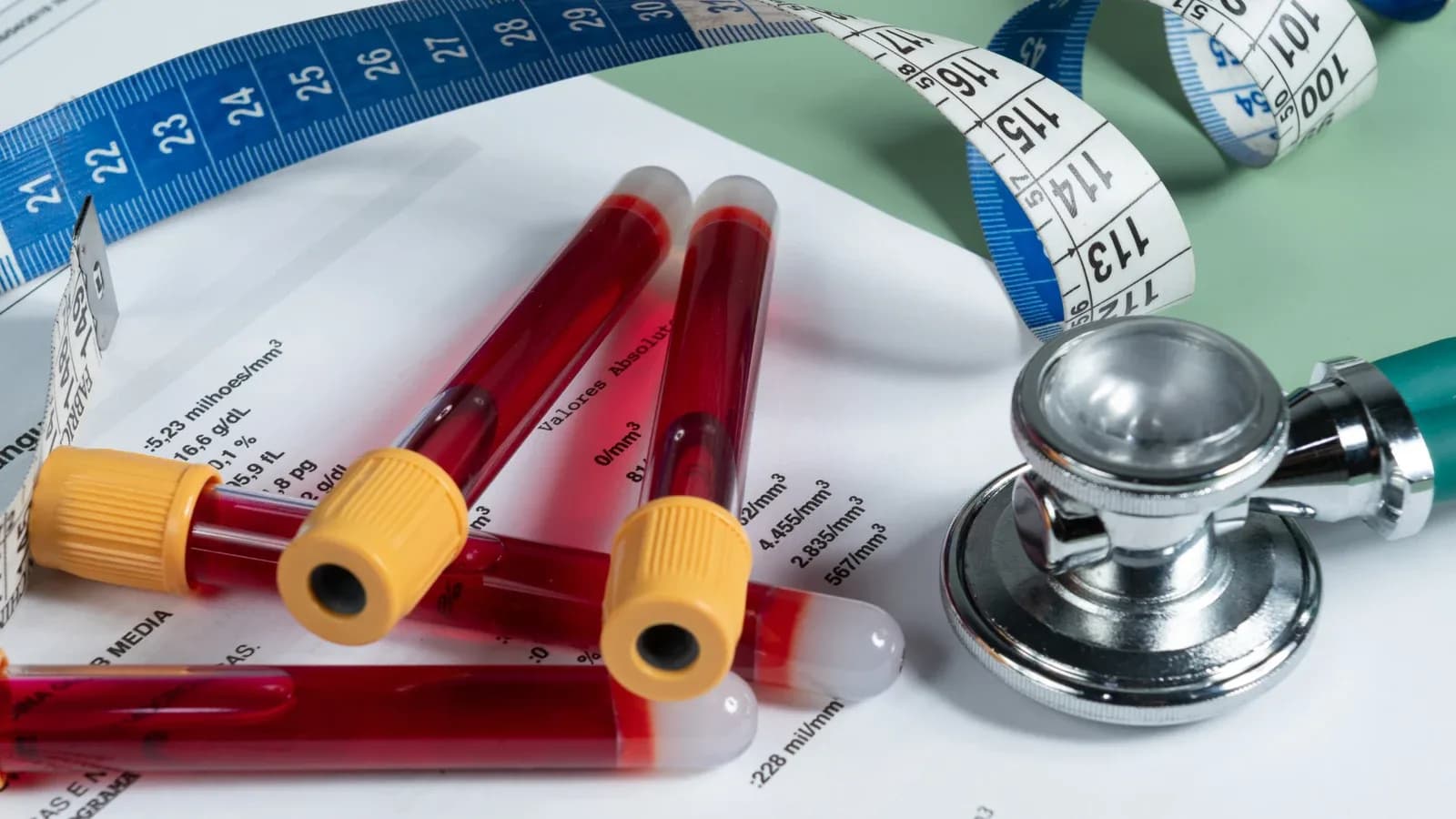
This bundle pairs a DVT ultrasound scan with blood tests that look at how your blood clots: a D-dimer, which can rise when a clot is present, a full blood count and a coagulation profile.
Sudden breathlessness, chest pain or coughing up blood can mean a clot in the lungs. Call 999 or go to A&E.
What’s included
- DVT ultrasound scan (one or both legs)
- D-dimer blood test
- Full blood count (FBC)
- Coagulation profile (PT, aPTT, INR)
Who it’s for
- Leg swelling
- After surgery or long-distance travel
- Concerns about clotting risk
- Investigating symptoms
How to prepare
- Wear loose clothing.
- Tell us about any blood-thinning medicines you take.
DVT & Clot Risk Bundle: your questions
What does a D-dimer test show?
D-dimer is released when a clot breaks down. A normal result makes a clot unlikely; a raised result can have several causes and is interpreted with the scan.
Information on this page is general and doesn’t replace advice from your GP, midwife or consultant. If you feel unwell or are worried about symptoms, contact your GP, call NHS 111 or, in an emergency, 999.