
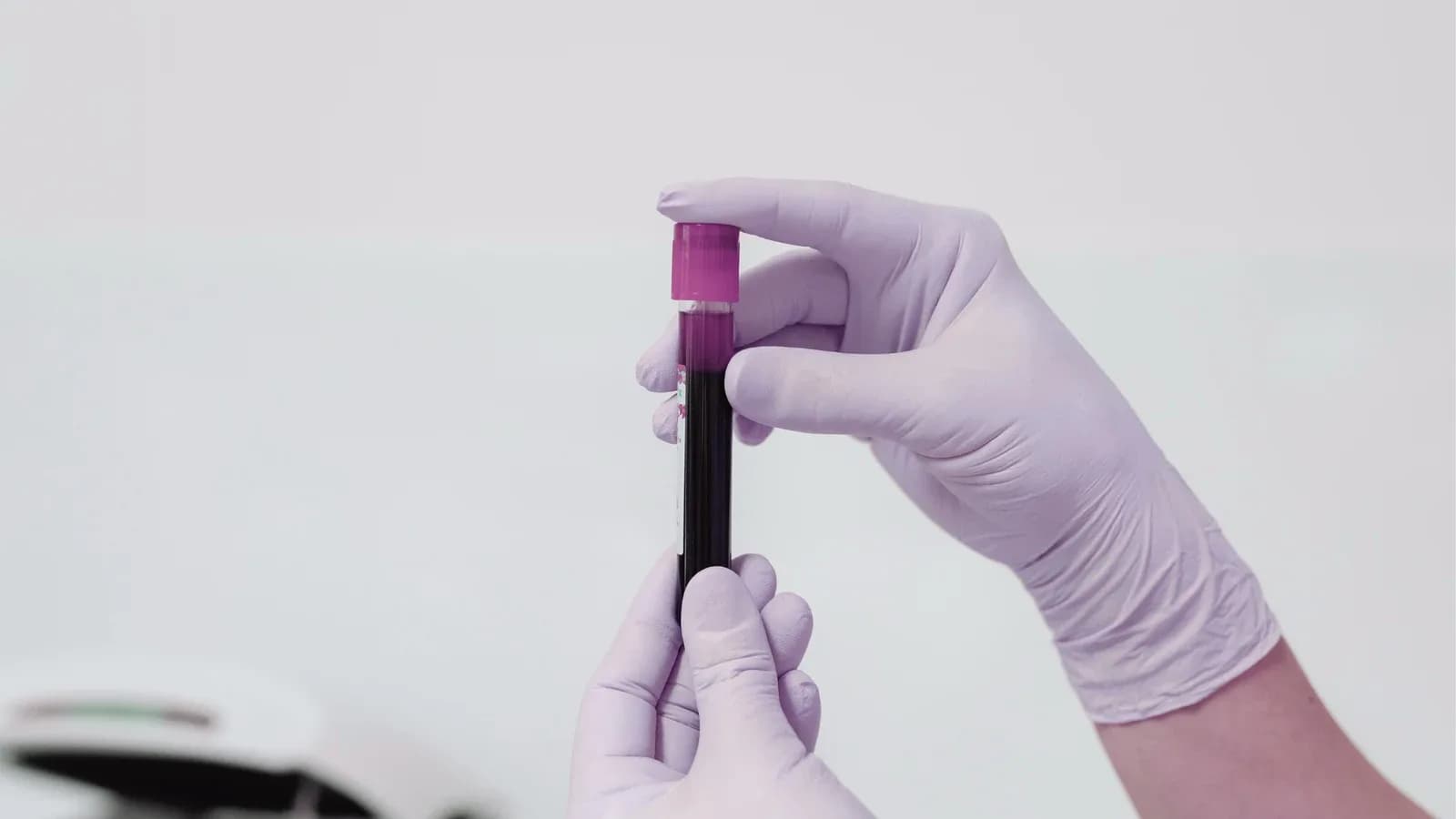
What it measures
- Testosterone
- SHBG
- FSH
- Prolactin
- DHEA-S
- Cortisol
- AMH
Understanding PCOS
Polycystic ovary syndrome affects around 1 in 10 women in the UK. It’s usually diagnosed when two of these three are present: irregular or absent ovulation, signs of high androgens (on a blood test or as acne and hair growth), and polycystic-looking ovaries on an ultrasound scan.
What this profile checks
- Testosterone and SHBG for androgen excess
- DHEA-S from the adrenal glands, and cortisol, to rule out other causes
- FSH and prolactin, as other hormone problems can mimic PCOS
- AMH, which is often raised in PCOS
To complete the picture, pair this test with a Pelvic Harmony Scan of your ovaries. Take both reports to your GP to discuss diagnosis and treatment.
Who it’s for
- Irregular or missed periods
- Acne, excess hair growth or thinning scalp hair
- Difficulty conceiving
- Weight gain that’s hard to shift
How to prepare
- Drink plenty of water beforehand; it makes the sample quicker and easier to take.
- You don’t need to fast.
- If you have periods, book for day 2–5 of your cycle (day 1 is the first day of bleeding).
- Morning appointments are best, as cortisol and testosterone are highest early in the day.
- Stop biotin (vitamin B7) supplements 48 hours before, as biotin can affect hormone and thyroid results.
PCOS Profile Blood Test: your questions
Can a blood test diagnose PCOS?
A blood test is one part of the diagnosis. PCOS is confirmed using your symptoms, hormone results and sometimes an ultrasound scan of the ovaries.
Information on this page is general and doesn’t replace advice from your GP, midwife or consultant. If you feel unwell or are worried about symptoms, contact your GP, call NHS 111 or, in an emergency, 999.